1
Breast Augmentation
Creates a natural, beautiful breast line
 Back to Home
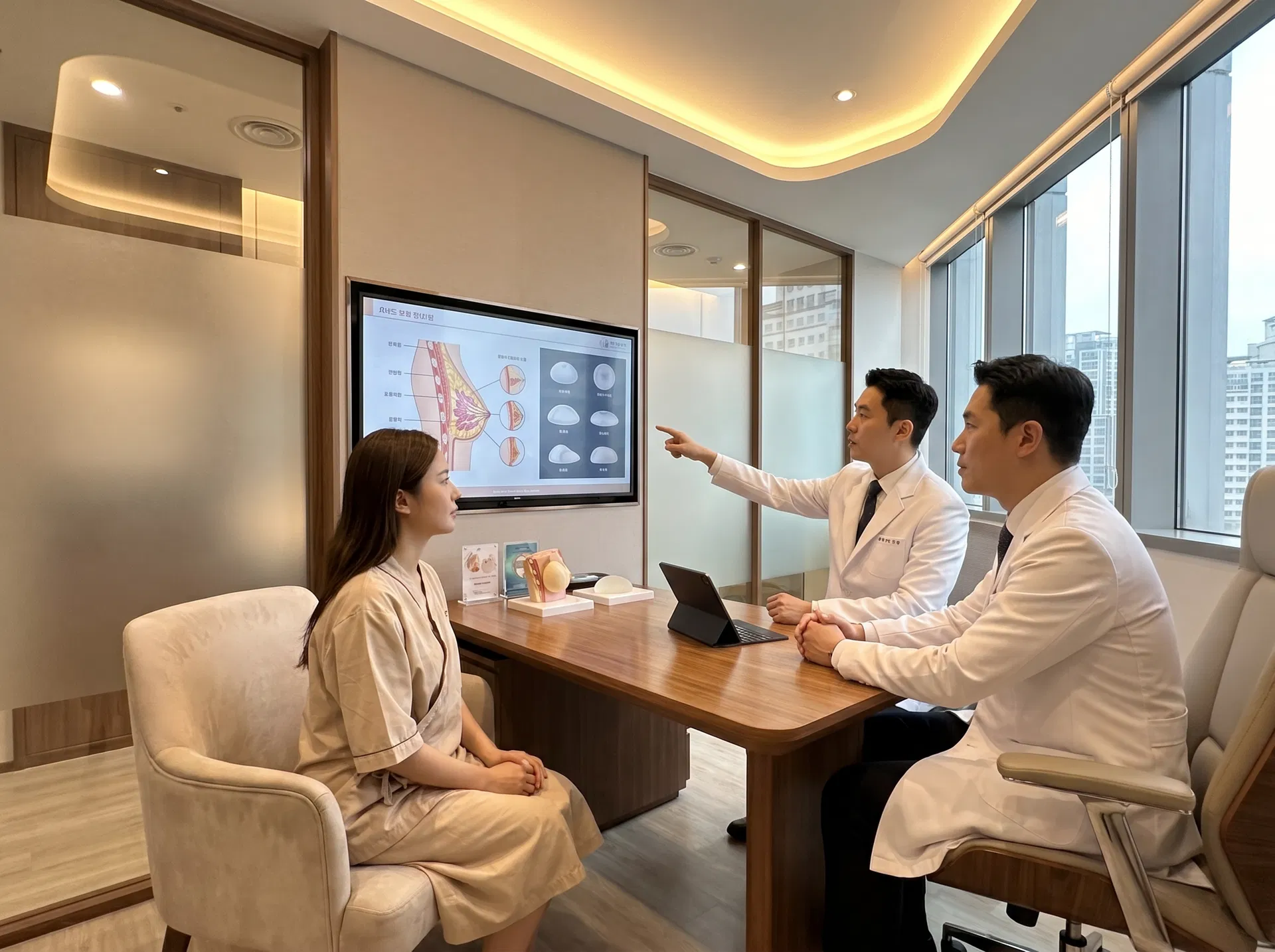
Consultation for breast augmentation, revision, reduction and gynecomastia surgery based on anatomy, health history and individual goals
Creates a natural, beautiful breast line
Corrects complications from previous surgery
Visit the clinic at 589 Gangnam-daero, near Sinsa Station Exit 4 in Seoul.
Consultations are provided on floors 12 and 13 of Mulberry Hills Medical Tower.
Every patient receives a customized treatment plan based on individual facial structure and proportions analysis.
Website guidance is available in English, Japanese, Chinese, Arabic, Spanish and German.
Breast surgery planning begins with an individual assessment of health, anatomy, previous procedures and personal goals. A qualified clinician should explain suitable options, trade-offs, risks and follow-up before treatment decisions are made.
Consultation may review medicines, allergies, nicotine use, prior procedures, breast and chest-wall anatomy, skin and tissue characteristics, symmetry and the changes you want to discuss.
The clinical team should explain what surgery may and may not reasonably address, as well as scar, anaesthesia and follow-up considerations.
Depending on the assessment, discussion may include breast augmentation, revision, reduction or surgery for gynecomastia. Not every category is suitable for every patient.
Implant-based or revision planning may involve implant position, tissue coverage, scars, capsule changes and prior operative details. Final decisions require direct evaluation.
Possible risks can include pain, bleeding, infection, delayed healing, fluid collection, sensation changes, asymmetry, scarring, anaesthesia complications or additional surgery. Implant procedures also have implant-specific considerations.
Follow guidance on medicines, activity, wound care, garments and reviews. No result, scar quality, sensation, symmetry or recovery timeline can be guaranteed.
An online inquiry can organize goals and records but does not replace assessment, planning or informed consent. Confirm tests, payment arrangements, follow-up and language support before travel.
Travel timing depends on the procedure, health, recovery and clinical advice. Build flexibility into the itinerary and keep treatment documents and clinic contact details available.
It may support early planning, but final suitability, procedure, consent and confirmed pricing require direct clinical assessment.
The discussion may include augmentation, revision, reduction or gynecomastia surgery, depending on anatomy, health, prior procedures and goals.
Risks vary and can include bleeding, infection, healing problems, scarring, sensation change, asymmetry, anaesthesia complications and further treatment. Implant procedures have additional considerations.
There is no fixed timeline. The appropriate stay and follow-up depend on the procedure, health, recovery and treating clinician’s advice.
Confirm language support, required records, pre-operative steps, follow-up, travel timing and how to contact the clinic after treatment.
Treatment suitability, diagnosis and the final care plan are confirmed by the responsible clinician after an individual examination and informed-consent discussion. This page provides general education and does not replace medical advice.
Reviewed by
Dr. Kim Soon-dong
Board-Certified Plastic Surgeon · M.D., Ph.D. · Chief Director
Medical content reviewed: 23 September 2026
View published doctor profilePage content updated: 23 September 2026 · Reviewed: 23 September 2026
Every surgical and non-surgical procedure has its own indications, contraindications, alternatives and possible complications. Ask who will perform your treatment, what recovery may involve, how follow-up is arranged and which symptoms require urgent assessment.
Independent patient information
Request a consultation for Breast Surgery in Gangnam, Seoul. A treatment plan can be discussed after an individual clinical assessment.
Find SOONPLUS near Exit 4 and review procedures, hours and international patient information.
Eye Surgery Location GuideSinsa Station Eye Plastic Surgery ClinicExplore eye-surgery options, consultation questions and access from Sinsa Station.
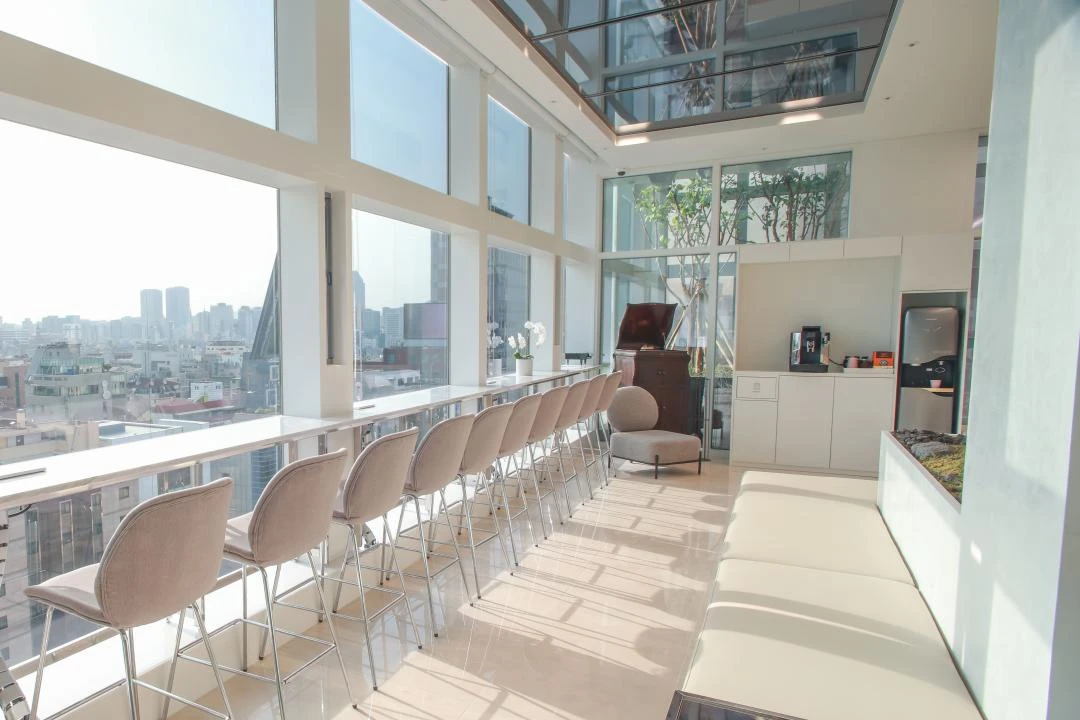
A comprehensive breakdown of plastic surgery costs in Korea compared to other countries. Learn why Seoul offers world-class results at competitive prices.

See real Korean plastic surgery before and after transformations. Learn how to evaluate results, what realistic outcomes look like, and why Korea produces the most natural-looking results.
Everything you need to know about medical tourism in Korea. From choosing a clinic to travel planning, visa requirements, costs, and recovery — your step-by-step guide to plastic surgery and dermatology in Seoul.