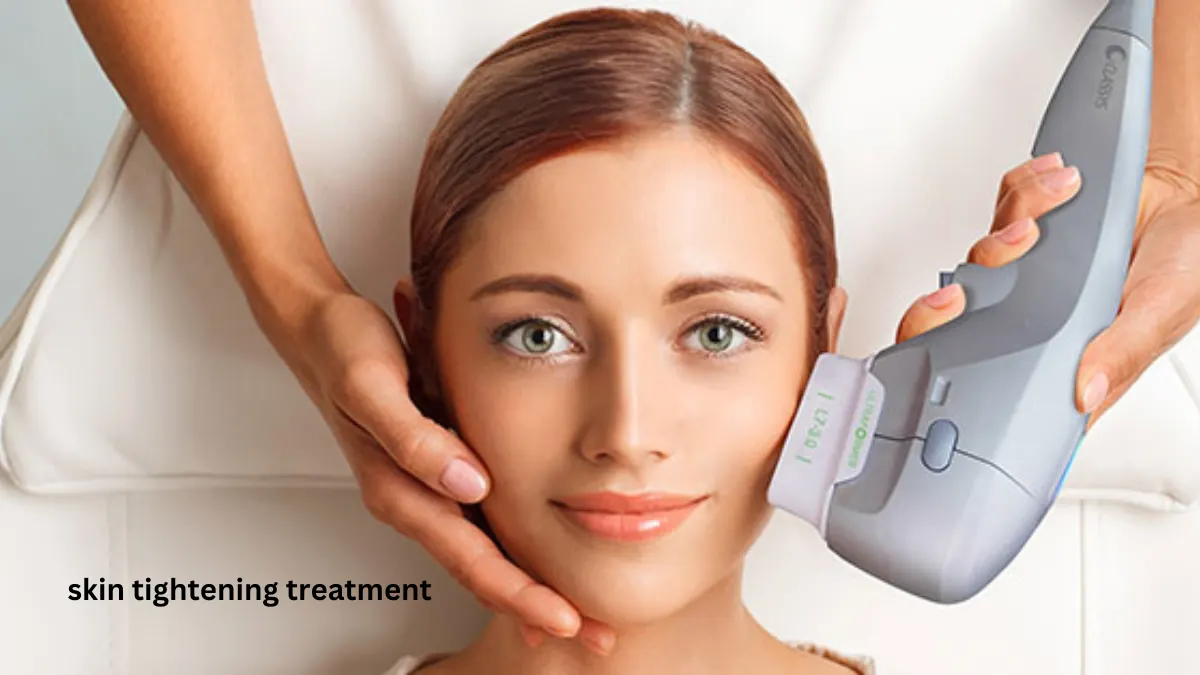
For people researching acne scar treatment in Korea, a laser consultation can help discuss persistent texture, but laser is not a default answer for every mark. A careful assessment separates flat color change from a change in skin texture, reviews active acne, and asks what treatment—if any—fits your skin, health history, goals, recovery capacity, and travel plans. The American Academy of Dermatology overview of acne scars explains that flat dark marks after acne may be post-inflammatory hyperpigmentation (PIH), rather than a structural scar.
A consultation also should not promise that one device, package, or photograph can predict your result. At SOONPLUS, general dermatology information and skin-treatment information describe a skin-aesthetic approach to assessment. The official SOONPLUS website supports that general context only; it does not confirm acne-scar assessment or any particular device or procedure. Confirm what is currently available and appropriate for you before arranging travel.
Begin With an Acne-Scar Assessment, Not a Device Name
A search for “acne scar treatment Korea” often brings up a named laser first. A more useful first question is what remains after acne: color, a shallow or deep indentation, a raised area, uneven texture, or a combination. Those descriptions are starting points for a clinician’s assessment, not diagnoses you need to make alone.
The American Academy of Dermatology notes that treatment planning can consider scar type, skin color, budget, and the time a person can allow for recovery. Its acne-scar consultation and treatment guidance also describes how plans may combine approaches. That is why a treatment name on a menu cannot answer whether it suits your specific texture, skin response, or priorities.
At an appointment, ask what the clinician sees and what remains uncertain without a direct examination. A responsible answer may be a treatment discussion, a plan to first address active acne, a referral, observation, or a recommendation not to proceed. The value of a consultation is clarification, not pressure to choose a procedure.
Flat PIH Is Not the Same as a Structural Scar
A flat dark spot after a pimple can feel like a scar because it is visible. Yet a flat mark may reflect post-inflammatory hyperpigmentation while the surface itself remains level; color alone cannot establish a diagnosis. Depressed scars sit below the surrounding skin, and raised scars stand above it; both are texture changes that may persist differently. The AAD’s scar overview is a useful explanation of this distinction.
This is not an invitation to diagnose yourself from a mirror or a filtered photograph. PIH and textural scars can coexist, and lighting can hide or exaggerate texture. A clinician may need to look from several angles and ask how the area changed over time. Explaining whether your main concern is color, texture, or both can make the consultation more focused.
Control Ongoing Acne Before Chasing Old Marks
If new breakouts are continuing, new marks or scars can continue to form while you are trying to improve older ones. The AAD emphasizes treating acne early to help prevent additional scars, and it also advises against picking or squeezing lesions. Its overview frames scar prevention and acne control as connected concerns.
Bring a concise acne history: when breakouts began, where they occur, what has helped or irritated your skin, and which prescriptions, over-the-counter products, supplements, or procedures you have used recently. Do not stop or change a medicine because of a general online article. Instead, give the full list to the treating clinician and the clinician assessing scars so they can advise for your circumstances.
A scar-focused visit can still be productive when acne is active. The plan may simply place acne management first, or sequence the two concerns in a way that makes sense after examination. That is not a delay for its own sake; it helps avoid treating a moving target.
Scar Descriptions Help the Conversation, Not Self-Diagnosis
Clinicians may use terms such as ice-pick, rolling, or boxcar to describe patterns of depressed acne scarring. Raised scars are another pattern. The AAD notes that the approach can differ by scar type, and that more than one treatment may be considered. Read the AAD treatment overview for the general rationale.
You do not need to arrive with the correct label. Instead, prepare a short account of where the unevenness appears, whether it is visible only in side light, which areas matter most to you, and what outcome would feel worthwhile. Ask the clinician to explain which features appear structural, which may be color-related, and why a proposed approach fits those findings.
An assessment should also set limits. Deep narrow scars, wider tethered-looking depressions, raised scars, active inflammation, and pigment change do not necessarily respond in the same way. A plan that names uncertainty and tradeoffs is more useful than an all-purpose promise.
Laser Resurfacing: Ablative, Nonablative, and Fractional Basics
Laser resurfacing is an energy-based treatment that may be discussed for some acne scars. Mayo Clinic describes ablative resurfacing as removing outer layers of skin and nonablative resurfacing as working without removing the outer layer in the same way. It also explains that “fractional” is a delivery pattern that treats microscopic columns of tissue and may be used with either approach. Mayo Clinic’s laser-resurfacing overview is a helpful high-level source for these terms.
These labels do not rank treatments from gentle to best, nor do they identify a universally appropriate device. The setting, treatment area, scar pattern, skin response, medical history, and the clinician’s examination all matter. If someone uses “fractional” as if it automatically describes one fixed level of recovery or safety, ask what treatment is actually proposed and why.
Laser can be considered for mild to moderate acne scarring, but Mayo Clinic also notes that laser resurfacing is not a solution for every scar or other skin concern. A realistic consultation explains the intended target, the limits of that target, the possibility of staged care, and the risks relevant to you.
What Laser May Not Address on Its Own
A laser conversation should include what the procedure cannot reliably promise. A single treatment may not erase every depression, raised scar, pigment concern, or active acne problem. Surface texture may be only one part of the concern. Some people may need a different approach, a combination plan, more time, or no procedure after an assessment.
Ask practical questions rather than seeking a universal “best laser” answer:
- What finding are you trying to improve: color, shallow texture, a deeper depression, a raised area, or something else?
- What change is reasonable to hope for, and what is less likely to change with this approach?
- Why is laser being considered before or instead of another option?
- What will determine whether staged treatment, observation, or a different referral is more appropriate?
These questions do not make a treatment outcome predictable. They help turn a broad request for “scar removal” into an individualized discussion with clear boundaries.
Interested in This Treatment?
Request an individualized consultation with the SOONPLUS clinic team in Gangnam.
BOOK FREE CONSULTATIONAlternatives Should Be Discussed as Distinct Options
Depending on the scar pattern, a clinician may discuss options such as ordinary mechanical microneedling, chemical peels, or scar surgery. The AAD lists these among the possible approaches to acne-scar treatment, but that general information does not mean all are suitable for every scar or offered by every clinic. AAD’s treatment guidance describes why treatment can be matched to scar type and sometimes combined.
It is also important not to confuse hydration-focused or cosmetic-maintenance treatments with structural scar assessment. Our guide to skin-booster questions in Korea can help you prepare for a discussion about skin hydration treatments, but it is not a substitute for evaluating depressed, raised, or pigment-related acne concerns.
Injectables deserve their own indication and risk discussion as well. The SOONPLUS guide to botox and filler questions for international patients explains how to prepare for injectable consultation. It does not make fillers, botox, skin boosters, laser, or scar surgery equivalent treatments for acne scars. Ask what concern each option is intended to address and whether it is currently available at the clinic you are considering.
RF Microneedling Is Different From Ordinary Microneedling
Radiofrequency (RF) microneedling is not simply ordinary mechanical microneedling with a different name. It uses needles to deliver radiofrequency heat into tissue and is an energy-based medical procedure. In an October 15, 2025 safety communication, the U.S. Food and Drug Administration reported serious complications associated with certain uses, including burns, scarring, fat loss, disfigurement, and nerve damage, while it continues to evaluate the issue. Read the FDA RF microneedling safety communication.
That notice is not a blanket ban, does not determine Korean availability or regulation, and does not mean every treatment has the same outcome. It does mean that RF should not be presented as risk-free or automatically safer for any skin tone. If RF is proposed, ask about the specific indication, device-specific risks, provider experience, alternatives, expected follow-up, and what to do if you develop a concerning symptom. It is not a home treatment.
Skin Tone, Pigment History, and Health History Matter
Pigment change is a key safety topic for any energy-based discussion. Mayo Clinic lists darker or lighter pigmentation among potential laser-resurfacing risks and notes a higher risk of long-term color change in brown or Black skin. This is about an individual skin response, not a passport, ethnicity, or assumption about how any one person will heal. Mayo Clinic’s overview supports discussing skin tone, settings, and experience appropriate to the person.
Bring information that could change risk or planning. This includes prior pigment changes after inflammation or procedures, a history of cold sores, keloid or problematic scars, immune or other health conditions, pregnancy or breastfeeding status where relevant, prior skin procedures, allergies, and all current or recent medicines. The AAD specifically encourages sharing acne medicines used in the last two years. Do not assume a universal isotretinoin waiting period or stop any drug on your own; request advice from the clinician who knows your medical history.
Request Written Aftercare and a Clear Escalation Plan
Aftercare is not an afterthought. The American Society for Dermatologic Surgery notes that laser-resurfacing aftercare can involve cleaning, ointment, protection, and monitoring while swelling, itching, peeling, and recovery differ among people and procedures. ASDS information on laser resurfacing for acne scars is a useful basis for asking the treating clinician for instructions specific to your plan.
Before consenting, request clinician-written guidance that states how to care for the area, which products or activities to avoid or resume, how to use sun protection, the expected review schedule, and how to contact the team after departure. Ask what changes should prompt medical advice, particularly worsening pain, increasing redness or swelling, drainage, blisters, fever, or other symptoms that concern you. If you feel acutely unwell or cannot reach the treating team, seek timely local medical care.
Written instructions should come from the treating clinician, not from a social-media post or a generic checklist. Your plan may differ from another person’s because the treatment, skin response, and medical history differ.
Surface Healing, Remodeling, and Travel Are Separate Questions
Early visible healing, longer-term tissue remodeling, and readiness to fly are not the same milestone. A surface may appear calmer while texture and color continue evolving, and a person may need a different plan if swelling, pigment change, infection risk, or another issue develops. The ASDS describes variable recovery after laser resurfacing; its information should not be converted into a universal travel-clearance date. ASDS’s patient information supports asking about variability rather than assuming a standard timetable.
If you are coming from overseas, build flexibility into flights, accommodation, and work commitments. Ask before travel how an in-person assessment, any treatment only if appropriate, early follow-up, written aftercare, and post-departure contact would work. Do not treat a planned return date as medical clearance.
For current access information, see SOONPLUS Sinsa Station consultation information. It is also reasonable to ask before travel whether an acne-scar evaluation and any specific device or procedure are currently available, rather than inferring availability from a general guide.
Agree on an Individualized Scope Before You Travel
A responsible quote follows an individualized scope; it should not be inferred from a package, an online ranking, or another person’s plan. The scope can depend on the assessment, whether active acne needs attention first, the modality actually discussed, the number and sequence of visits if any, follow-up needs, and findings that only an in-person review can clarify.
Ask for a written explanation of what the proposed scope includes and what could change after examination. This is not a request for a guaranteed result or a fixed recovery promise. It is a way to understand the decision, the alternatives, the foreseeable risks, and the follow-up responsibilities before you consent.
If you want to enquire about an evaluation, use the SOONPLUS consultation route and state that your question is about acne scars, active acne if present, skin-tone or pigment history, medicines, prior procedures, and travel constraints. Include photographs only if requested, and understand that they cannot establish your candidacy. An assessment may find that a specific procedure is unavailable, unsuitable, premature, or unnecessary—and that can still be a valuable answer.