1
Double Eyelid Surgery
Discusses crease design and technique in relation to eyelid tissue, existing folds and individual anatomy
 Back to Home
Consultation for double eyelid surgery, ptosis correction and canthoplasty based on eyelid anatomy, function and individual goals
Discusses crease design and technique in relation to eyelid tissue, existing folds and individual anatomy
Evaluates eyelid-opening function and whether muscle correction may be appropriate after examination
Considers the inner-corner anatomy, scar behavior and facial balance before procedure selection
Visit the clinic at 589 Gangnam-daero, near Sinsa Station Exit 4 in Seoul.
Consultations are provided on floors 12 and 13 of Mulberry Hills Medical Tower.
Every patient receives a customized treatment plan based on individual facial structure and proportions analysis.
Website guidance is available in English, Japanese, Chinese, Arabic, Spanish and German.
Eye plastic surgery planning should begin with an individual clinical assessment. Suitability, the recommended approach, anaesthesia, aftercare and travel guidance can only be confirmed by a qualified clinician after evaluation.
A consultation considers more than a preferred crease or reference image. The clinician may review eyelid skin and fat, crease structure, eyelid-opening function, brow position, asymmetry, dry-eye symptoms, previous procedures and your goals.
Share relevant medical conditions, medicines, allergies and any history of eye symptoms or treatment. Reference photographs may help communication but cannot predict or guarantee a result.
Depending on the assessment, discussion may include incisional or non-incisional double eyelid surgery, ptosis correction, epicanthoplasty, lateral canthoplasty or an under-eye procedure.
These are distinct treatment categories with different purposes, incision patterns, trade-offs and follow-up needs. A clinician should explain the reasoning for any recommendation and realistic limitations.
Possible risks can include swelling, bruising, dry-eye or irritation symptoms, bleeding, infection, scarring, asymmetry, changes in eyelid function, anaesthesia-related risks or additional treatment. No specific aesthetic or recovery outcome can be guaranteed.
Follow procedure-specific guidance on medicines, wound care, activity, contact lenses, eye makeup and follow-up. Seek prompt assessment for severe pain, sudden visual changes or other concerning symptoms.
An online inquiry can help organize goals, records, photographs and preferred dates but does not replace examination, final planning or informed consent.
Confirm supported languages, required records and follow-up arrangements before travel. Do not make non-refundable commitments based only on generic recovery timelines.
It can support early planning, but it cannot replace an in-person examination. Suitability, the final plan and informed consent require direct assessment.
Double eyelid surgery may focus on crease formation, while ptosis correction concerns eyelid-opening function. Whether either is appropriate depends on individual examination.
Reference images can communicate preferences but are not a guarantee. Anatomy, tissue quality, asymmetry, healing and procedure limitations affect what may be appropriate.
Follow written instructions and contact the clinic promptly about unexpected or worsening symptoms. Seek urgent assessment for severe pain, sudden visual change or another medical emergency.
There is no fixed stay for every patient. Follow-up and travel timing depend on the procedure, health, itinerary and clinician’s assessment.
Treatment suitability, diagnosis and the final care plan are confirmed by the responsible clinician after an individual examination and informed-consent discussion. This page provides general education and does not replace medical advice.
Reviewed by
Dr. Kim Soon-dong
Board-Certified Plastic Surgeon · M.D., Ph.D. · Chief Director
Medical content reviewed: 23 September 2026
View published doctor profilePage content updated: 23 September 2026 · Reviewed: 23 September 2026
Eyelid surgery risks can include bleeding, infection, dry or irritated eyes, difficulty closing the eyes, scarring, asymmetry, persistent pain and temporary or permanent vision change. This is not an exhaustive list; your surgeon should explain the risks relevant to the procedure proposed for you.
Seek prompt medical attention for severe new eye pain, bleeding or vision problems. Breathing difficulty, chest pain or an unusual heart rate require emergency assessment.
Request a consultation for Eye Surgery in Gangnam, Seoul. A treatment plan can be discussed after an individual clinical assessment.
Find SOONPLUS near Exit 4 and review procedures, hours and international patient information.
Eye Surgery Location GuideSinsa Station Eye Plastic Surgery ClinicExplore eye-surgery options, consultation questions and access from Sinsa Station.

A comprehensive breakdown of plastic surgery costs in Korea compared to other countries. Learn why Seoul offers world-class results at competitive prices.
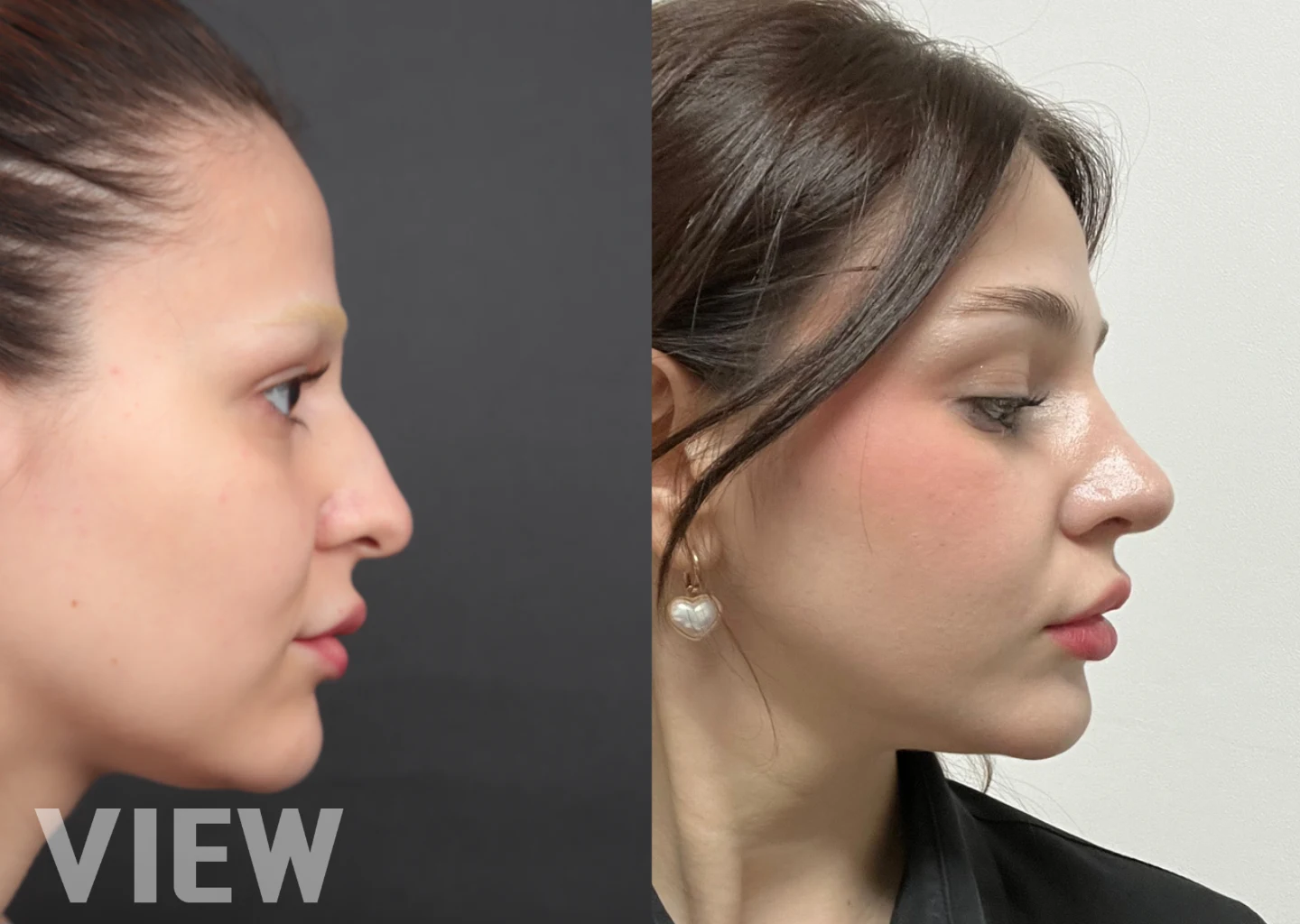
Day-by-day recovery guide for nose surgery in Korea. Know exactly what to expect from surgery day through full recovery.
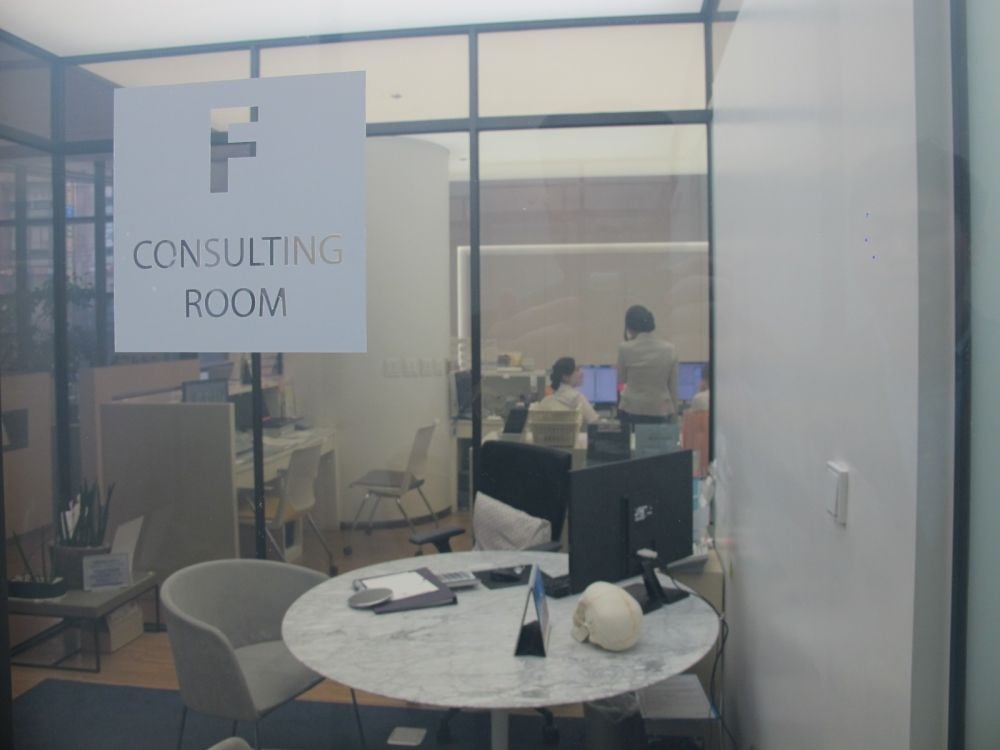
Discover why Seoul's Gangnam district attracts over 100,000 international patients annually for cosmetic procedures.