Medically reviewed
Board-Certified Plastic Surgeon · M.D., Ph.D. · Chief Director · Reviewed September 30, 2026
If you are looking for a Sinsa Station to nose surgery clinic visit plan, use a confirmed appointment and the clinic’s full street address—not an assumed walking time—as your starting point. SOONPLUS Plastic Surgery & Dermatology is at 12–13F, Mulberry Hills Medical Tower, 589 Gangnam-daero, Seocho-gu, Seoul, near Sinsa Station Exit 4. Confirm your current route, appointment time, language support and the floor with the clinic before you leave. This guide is designed for an international patient planning an in-person nose-surgery consultation, not for choosing a procedure remotely.
If you are still comparing providers rather than planning an existing appointment, start with the Gangnam nose surgery clinic selection guide.
Sinsa Station to nose surgery clinic: use an address, not a time estimate
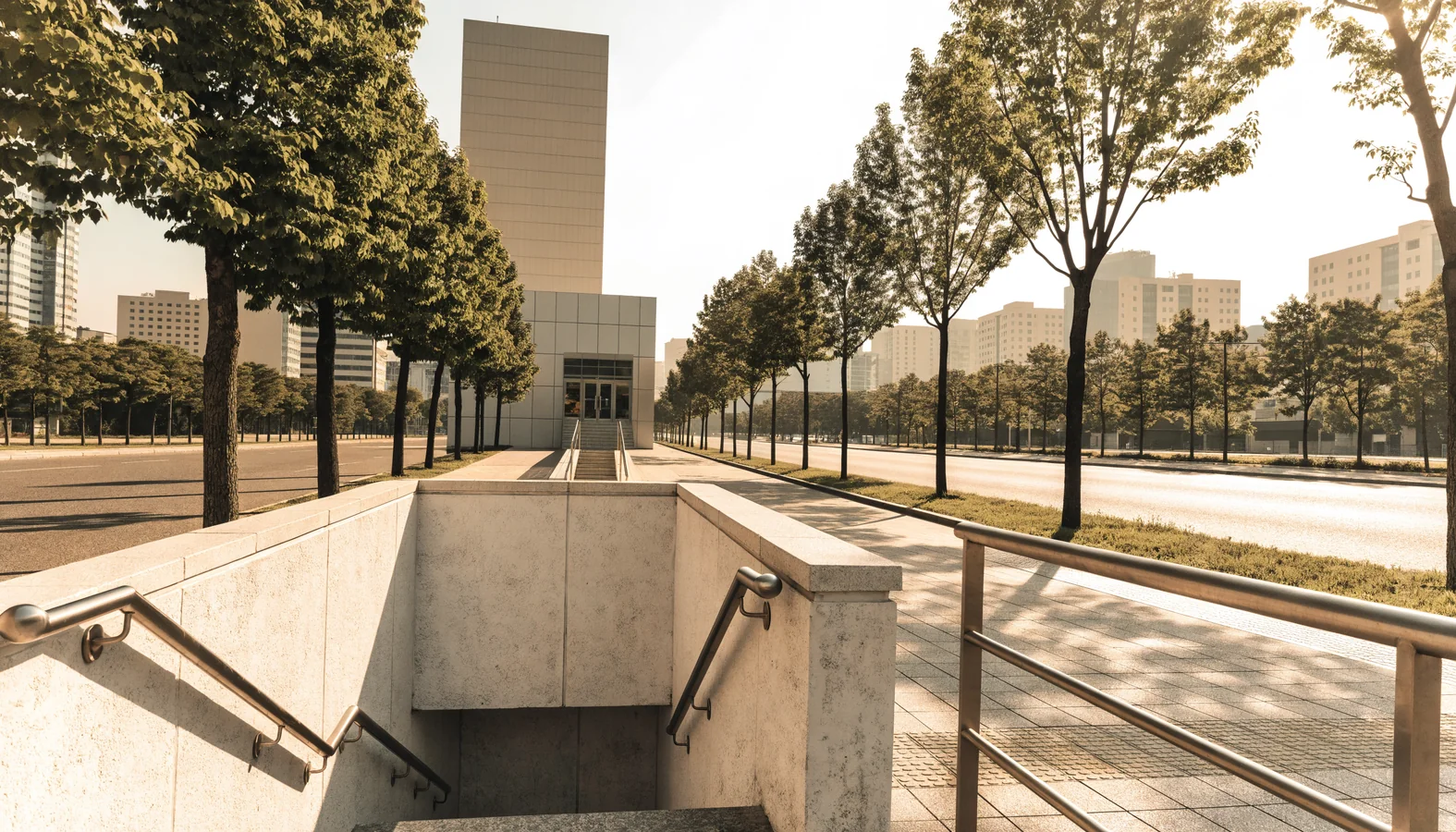
For a reliable arrival plan, save the complete address and keep the appointment confirmation accessible on your phone. SOONPLUS lists its location as 589 Gangnam-daero, Seocho-gu, Seoul, Mulberry Hills Medical Tower, 12th and 13th floors on its English contact information and other clinic references. The Korea Tourism Organization’s official medical-tourism listing also identifies SOONPLUS as having relocated to Mulberry Hills Medical Tower around Sinsa Station. See the Sinsa Station clinic directions and visit page for the same local reference, then confirm the latest instructions in your booking message. SOONPLUS contact information Korea Tourism Organization clinic listing
We do not state a walking time because pedestrian routes, exits, crossings, weather, accessibility needs and local works can change. When you arrive at Sinsa Station, follow the clinic’s current route guidance rather than relying on a generic map estimate. Allow a buffer for finding the tower and taking the elevator to the correct floor. If your navigation app presents several entrances, call the clinic using the number in your appointment confirmation before entering a building that does not match the address.
Confirm the appointment before committing to travel
An online inquiry can help you describe your goals and preferred dates, but it does not replace a physical examination. Before booking flights, ask the coordinator to confirm the date, expected consultation format, language support, documents or photographs they would like in advance, and whether a companion may attend. International visitors can also use the Korea Tourism Organization’s Medical Tourism Business Center for general medical-tourism information and appointment-arrangement support; it is not a replacement for advice from your treating clinician. Korea Tourism Organization Medical Tourism Business Center
A short pre-visit checklist
- Keep the booking confirmation, clinic address, Korean phone number and your accommodation address in one place.
- Ask which language support is available for the consultation and for written aftercare if treatment is later scheduled.
- Confirm the clinician’s name and ask how to verify relevant credentials. The Korean Society of Plastic and Reconstructive Surgeons member search is one public reference point; membership listings should be discussed directly with the clinic if you need clarification.
- Tell the clinic about accessibility, allergy, dietary or communication needs early enough for planning.
- Keep your schedule flexible. A consultation may identify a need for more information, a different approach or no procedure at all.
Build a consultation file that the clinical team can use
Bring your passport or accepted identification and the appointment confirmation. Carry an accurate medication list that includes prescription medicines, over-the-counter products, vitamins and supplements, with doses if you know them. Also note drug or material allergies, relevant medical conditions, prior operations, previous nasal injury, breathing concerns and any past fillers or nose procedures. If another clinician has relevant records, imaging or operative notes, ask SOONPLUS in advance whether they should be translated or sent before the appointment.
Do not stop, start or change a prescribed medicine solely for a cosmetic consultation. The clinician who prescribed it and the treating surgical team should advise you if any adjustment is necessary. It can also help to prepare a short statement of what you hope to change, what you want to preserve and any functional concern, such as breathing. Bring reference images only as communication aids, not as a promise that another person’s result can be reproduced.
For an overview of potential rhinoplasty topics before your visit, review the SOONPLUS rhinoplasty consultation page. A clinician will still need to assess your own anatomy and medical history in person.
What happens during an in-person nose consultation
Check-in and history
The visit generally begins with identity and contact details, your health history and your goals. Be candid about smoking or vaping, medicines, prior procedures and symptoms. These details can affect whether surgery is appropriate, what preparation may be needed and how recovery should be planned.
Examination and discussion
Rhinoplasty planning is individualized. A clinician may examine the outside and inside of the nose and consider facial proportions, skin characteristics, cartilage support, prior surgery and breathing concerns. Mayo Clinic notes that consultation commonly includes medical history, a physical examination, photographs and a discussion of expectations; the aim is to understand what rhinoplasty can and cannot reasonably achieve for the individual. Mayo Clinic: Rhinoplasty
If photos or simulations are discussed, treat them as a communication tool, not a guarantee. Ask who will perform each part of any proposed treatment, which anaesthesia approach may be considered, what follow-up is expected, and how to contact the team if you have questions after you leave Seoul. A careful consultation may result in more questions rather than an immediate booking. That is appropriate: final suitability, scope and consent depend on the clinician’s assessment.
Interested in This Treatment?
Request an individualized consultation with the SOONPLUS clinic team in Gangnam.
BOOK FREE CONSULTATIONQuestions that turn a consultation into a decision aid
Use the conversation to compare what you want with what is clinically appropriate. The table below helps keep that discussion specific without assuming that any one technique is right for you.
| Decision area | Useful question to ask | Why it matters |
|---|---|---|
| Goals and function | “Which of my goals are feasible, and could the plan affect breathing?” | It separates aesthetic preferences from functional considerations. |
| Proposed approach | “What is being changed, and why is this approach being recommended for my anatomy?” | It links the plan to your individual examination. |
| Alternatives | “What are the non-surgical, delayed or no-treatment alternatives?” | A valid decision includes alternatives as well as a procedure. |
| Safety and consent | “What risks are most relevant to me, and how would they be managed?” | It supports informed consent rather than a sales decision. |
| Follow-up | “Which reviews must occur in Seoul, and who should I contact after departure?” | Follow-up needs determine realistic travel planning. |
| Costs and records | “Can I receive a written, itemized explanation of the proposed plan and inclusions?” | It prevents assumptions about services, timing or fees. |
The American Society of Plastic Surgeons (ASPS) lists risks that can include anaesthesia risks, altered sensation, breathing difficulty, infection, septal perforation, poor healing or scarring, swelling, an unsatisfactory appearance and possible revision surgery. Ask the surgeon how those risks apply to your case, rather than relying on a general online list. ASPS: Rhinoplasty risks and safety
Plan your Seoul itinerary after the consultation, not before it
A consultation trip and a surgery trip require different levels of flexibility. If you are visiting only for assessment, schedule enough time to arrive calmly, attend the appointment and consider the information without pressure. If treatment may be scheduled later, do not assume a standard departure date or a single follow-up pattern. Ask the clinician which reviews, dressings, medications and activity restrictions would apply to your proposed plan before making non-refundable travel changes.
ASPS explains that rhinoplasty recovery can involve internal or external splints or dressings, tailored medication and follow-up instructions, and that initial swelling may subside over weeks while refinement can continue much longer. Your surgical team—not a generic travel guide—should tell you when travel, work, exercise and follow-up are appropriate for you. ASPS: Rhinoplasty recovery For broader planning topics, visit the SOONPLUS blog and, if surgery is later scheduled, review the separate rhinoplasty recovery planning guide with your clinician’s instructions taking priority.
Aftercare, limitations and urgent help
Rhinoplasty is surgery, not a guaranteed cosmetic outcome. The final plan must account for your health, anatomy, goals and ability to complete follow-up. Swelling and bruising are common early recovery experiences, but the timing and severity vary. Follow the written instructions from the treating team about medicines, wound or splint care, activity, sleep position, nose blowing, glasses and appointments. Do not substitute online advice for those instructions.
Contact the clinic promptly if you have an unexpected or worsening symptom. Seek urgent medical help for severe breathing difficulty, heavy or uncontrolled bleeding, chest pain, fainting, rapidly worsening symptoms or any emergency. In Korea, emergency medical services can be reached by dialing 119; 112 is the police number. National Emergency Medical Center: Korea emergency medical services
When you have reviewed the practical steps and are ready to request an appointment, use the SOONPLUS booking form. The inquiry can support planning, but it does not confirm suitability, a surgical plan, a price or a result.
Frequently asked questions
How do I get from Sinsa Station to a nose surgery clinic near SOONPLUS? Use Sinsa Station Exit 4 as the local reference and navigate to 589 Gangnam-daero, Seocho-gu, Seoul, Mulberry Hills Medical Tower, 12th–13th floors. Confirm the current route and your appointment details directly with the clinic. This guide does not claim a walking time.
What should I bring to a nose-surgery consultation in Seoul? Bring identification, your booking confirmation, an up-to-date list of medicines and supplements, allergy and medical history, and relevant prior nasal records if requested. Also bring written questions and any goal images as communication aids.
Can an online consultation confirm my rhinoplasty plan? No. A remote inquiry may help with early planning, but an in-person clinical assessment is needed to decide suitability, discuss risks and alternatives, confirm the plan and complete informed consent.
Should I book a fixed return flight before a consultation? For a consultation-only visit, keep plans flexible. If surgery may be scheduled, ask the treating team about your individual follow-up and travel needs before you make non-refundable arrangements. There is no universal safe departure date.
What should I do if I feel unwell after treatment in Seoul? Follow the written instructions from your treating team and contact the clinic promptly about unexpected or worsening symptoms. For a medical emergency in Korea, call 119 or go to the nearest emergency department.
Medical content notice: This article is educational. Individual suitability for rhinoplasty or any other treatment requires an in-person clinical assessment and informed consent. It does not replace medical advice from your treating clinician.